Cookies

We use cookies to ensure that this website functions properly. Click “Yes” to accept all cookies. This allows you to watch videos too. Want to know more or change your settings? Go to privacy and cookies.

Direct naar content

For your water authority tax, please go to the website of the Amstel, Gooi and Vecht Water Authority (You are leaving this website) 

Info

PFAS ⁠and tap water

More and more, the news is reporting on PFAS in our food, soil, air, products and (tap) water. However, research by the Dutch National Institute for Public Health and the Environment (RIVM) shows that tap water in the Netherlands is safe to drink. Our tap water also meets the strict requirements of both the Dutch Drinking Water Act (Drinkwaterwet) and the European Drinking Water Directive.
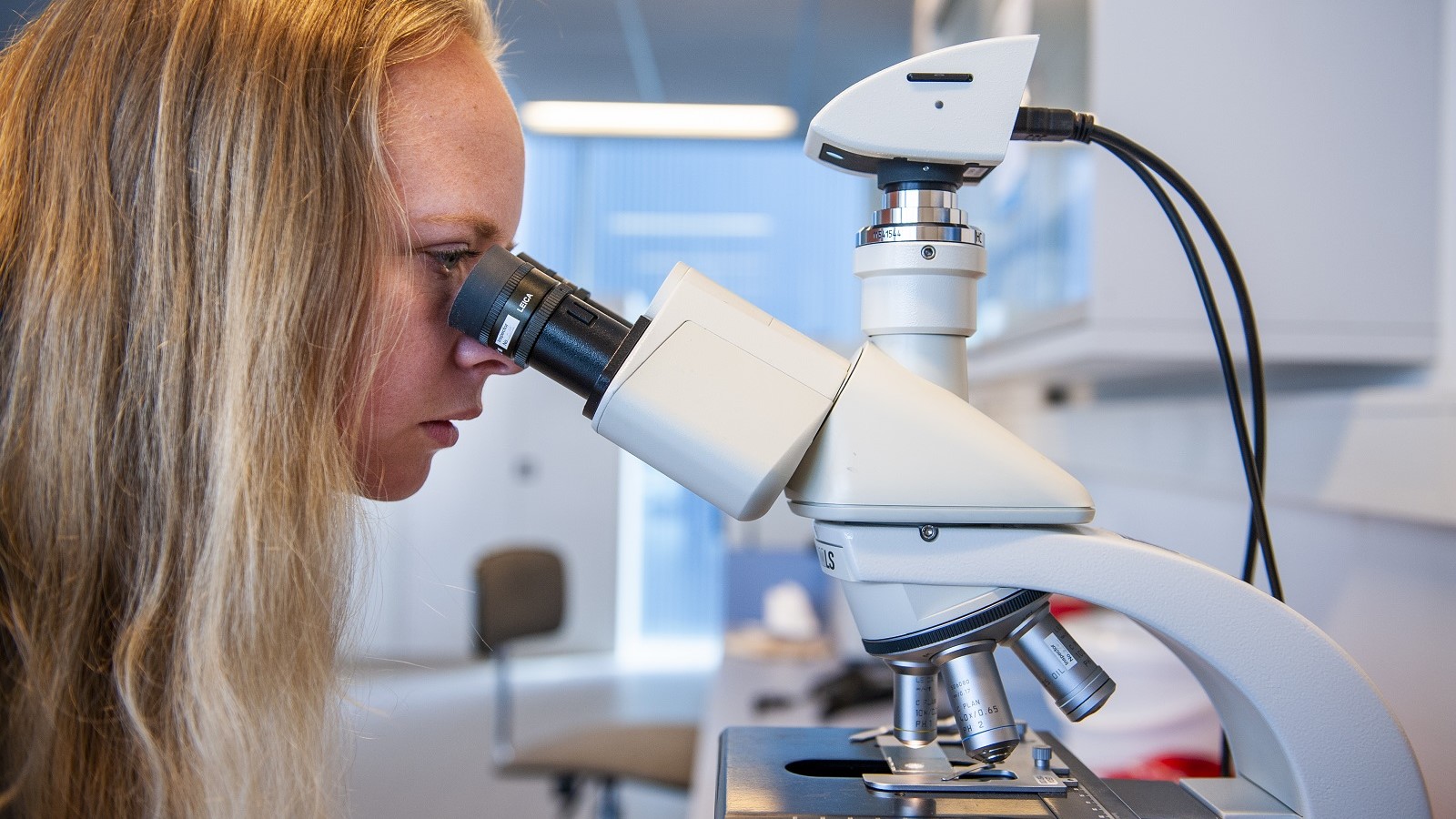
A Waternet employee examines water under a microscope.

Is my tap water safe?

Your tap water meets all the strict legal requirements and is safe to drink. At the same time, we are exposed to PFAS through the air, our food and other products. That is why the RIVM recommends reducing our overall exposure to PFAS as much as possible. Waternet is committed to helping achieve this, ensuring that clean tap water can continue to be something we can rely on in the future.

Every day, research institute Het Waterlaboratorium tests the quality of tap water for Waternet and other organisations. They check our water for more than a hundred substances, such as bacteria, metals, medicines and PFAS.

We measure most substances in our water in micrograms, but PFAS levels are so low that we measure them in nanograms. To give you an idea of just how small a nanogram is:

  • 1 milligram = 0.001 gram
  • 1 microgram = 0.000001 gram
  • 1 nanogram = 0.000000001 gram

One nanogram per litre is like trying to find a single drop of water in an Olympic-sized swimming pool. Even if these tiny amounts of PFAS are left behind after treatment, our tap water still comfortably meets the very strict requirements of the Dutch Drinking Water Act and the European Drinking Water Directive.

Browse our water quality reports (in Dutch)

Clean tap water starts at the source 

Per- and polyfluoroalkyl substances (PFAS) do not belong in the environment, and certainly not in our tap water sources. That is why we are working with other Dutch and European water companies to push for a complete European ban on PFAS. Our aim is to prevent these substances from entering our tap water sources in the first place. The less PFAS we need to remove during treatment, the easier it is to safeguard the quality of our tap water while keeping tap water costs down. 

What is Waternet doing about PFAS?  

  • We currently use activated carbon to remove PFAS from tap water. Activated carbon is a fine-grained material made from wood, coal or coconut shells. It works a bit like a sponge: substances such as PFAS, pesticides and traces of medicines get trapped in it. This helps remove unwanted substances from tap water. Over time, the 'sponge' becomes saturated and needs to be replaced or cleaned. We are also working on other treatment methods, for example technology using membranes. 
  • Additionally, we conduct research and work with experts to identify the most effective measures for tackling PFAS. 

How do PFAS enter tap water sources?

PFAS are released during the manufacture and use of substances and products containing PFAS. They can also be released through the use of pesticides. From there, PFAS can enter the environment through the air or wastewater and eventually end up in our tap water sources. PFAS are also used in products, such as firefighting foams, non-stick pans and raincoats, for example. In some cases, PFAS are discharged into rivers by industrial companies. Waternet uses water from the river Rhine to produce tap water. We closely monitor our tap water sources and thoroughly treat the water. This ensures that our tap water remains clean and safe to drink.

Find out more about PFAS

The RIVM conducts research into PFAS. Visit the RIVM website to find out more about:

Frequently asked questions about PFAS

How much PFAS are there in Waternet's tap water?

Waternet produces tap water at 2 locations: Weesperkarspel and Leiduin. We have separate water quality reports for each location.

Browse our water quality reports (in Dutch)

What tap water requirements does Waternet have to meet?

The Netherlands has strict rules and regulations for producing tap water. These help ensure that tap water is safe to drink. There are 3 laws that we must comply with:

1. The European Union's Drinking Water Directive.
This sets out the tap water requirements that apply to all countries in the European Union.

2. The Dutch Drinking Water Act.
This is the Dutch implementation of the European Union's Drinking Water Directive. The Drinking Water Act (Drinkwaterwet) sets out the measures we take in the Netherlands to ensure that our tap water is safe to drink.

3. The Drinking Water Decree.
The Drinking Water Decree (Drinkwaterbesluit) sets out which substances may be present in our tap water and the maximum permitted levels of these substances.

How do PFAS affect the cost of tap water?

The more PFAS there are in our tap water sources, the more it costs to remove them. Waternet is taking additional measures and stepping up treatment to remove more PFAS. We are doing this because PFAS accumulate in the sources from which we produce tap water. This costs millions of euros extra every year. The residents and businesses in Amsterdam and the surrounding area ultimately pay the bill for this. We do not want that. We want tap water to be affordable for everyone. 

How am I exposed to PFAS?

We can be exposed to PFAS in several ways. For example through food (around 85%), air, products (such as make-up), and to a small extent through tap water. It is difficult to avoid PFAS altogether because they are found in so many products and foods. The RIVM says: 'It is important to continue drinking plenty of tap water and eating a varied diet. This is good for your health, even if this means taking in extremely small traces of PFAS.'

How do PFAS enter the environment?

PFAS can enter the environment in several ways. The main sources are:

  • PFAS manufacturers. The production of PFAS generates waste at manufacturing plants. These substances can enter the environment through emissions to air and dumping into the water.
  • Companies that use PFAS. PFAS are widely used by manufacturers to make materials grease- and water-repellent. PFAS can be released through waste, wastewater and emissions to air.
  • Extinguishing fires with firefighting foam. The extinguishing foam in fire extinguishers often contains PFAS. Firefighters also use this type of firefighting foam when extinguishing certain types of fires.
  • Waste treatment facilities, such as landfill sites, wastewater treatment plants and waste incinerators. These facilities process materials containing PFAS, which can be released during treatment.
  • The use of certain types of pesticides. This can result in PFAS entering our food.
  • The use of products containing PFAS. Our own behaviour can also contribute to PFAS entering the environment. We buy products that contain PFAS and eventually dispose of them. When this waste is incinerated, PFAS can be released into the environment.

Where are PFAS commonly found?

Different types of PFAS have useful properties, which is why they are found in many products. For example, in:

  • non-stick coating on pans
  • rainwear, outdoor clothing and ski wear with a water-repellent coating
  • baking paper
  • pizza boxes
  • drinks packaging
  • make-up
  • batteries
  • fire extinguishers and firefighting foam
  • clothing and carpets

For more information about PFAS in products, visit waarzitwatin.nl (in Dutch).

What are PFAS used for?

Different types of PFAS have useful properties, which is why they are found in many products. For example, in:

  • non-stick coating on pans
  • rainwear, outdoor clothing and ski wear with a water-repellent coating
  • baking paper
  • pizza boxes
  • drinks packaging
  • cosmetics
  • batteries
  • fire extinguishers and firefighting foam
  • clothing and carpets
Berry, the digital assistent